

EN

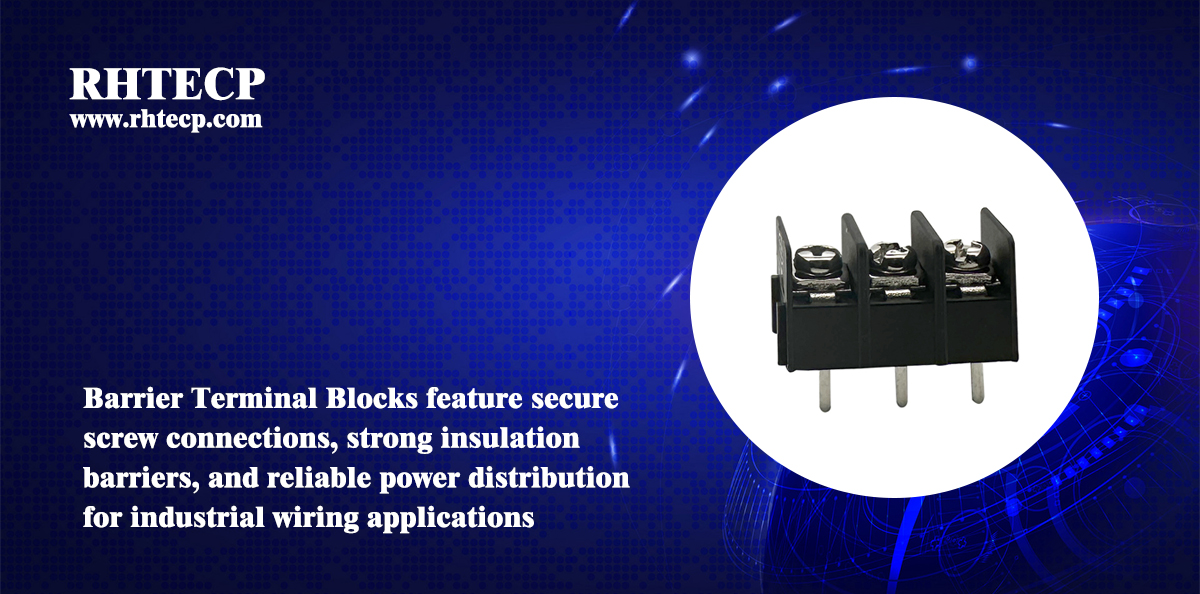
Reliable Power Distribution & Secure Wiring: The Role of Barrier Terminal Blocks in Modern Electrical Systems
In today’s rapidly developing electronics and industrial sectors, Barrier Terminal Blocks play a critical role in ensuring safe, stable, and organized wiring connections. These connectors are widely used in power distribution and control systems where durability, safety, and reliable electrical performance are essential. As a trusted terminal block solution, barrier terminal blocks provide efficient wiring management while preventing accidental short circuits between adjacent terminals.
With the increasing demand for robust electrical connections in industrial and commercial equipment, barrier terminal blocks offer a dependable solution for high-current applications, structured wiring layouts, and long-term system reliability.
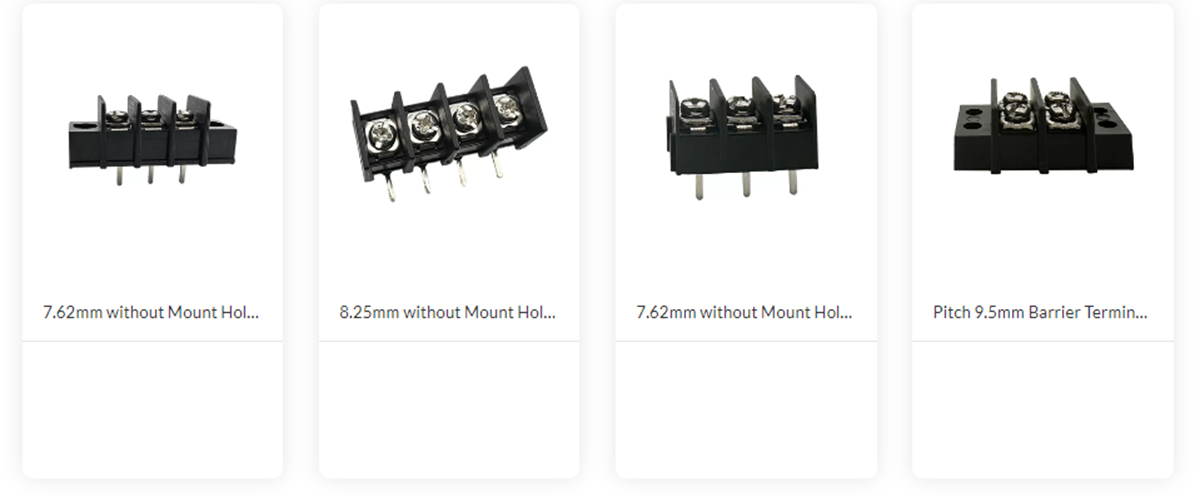
Barrier Terminal Blocks are screw-type terminal connectors designed with insulated barriers between each terminal. These barriers help isolate circuits, prevent accidental contact, and improve safety during installation and maintenance.
The screw-clamp design allows wires to be securely fastened to the terminal, creating strong electrical connections suitable for both power and signal transmission. The insulated barrier walls between terminals provide additional protection, reducing the risk of short circuits and improving wiring organization on panels or equipment.
Because of their robust construction and simple wiring structure, barrier terminal blocks are widely used in applications requiring reliable power distribution and clear circuit separation.

Barrier Terminal Blocks are widely used in industries where stable electrical connections and safe wiring are critical:
Industrial Automation
Used in control panels, PLC systems, and industrial machinery for reliable wiring connections.
Power Distribution Equipment
Applied in power supplies, distribution boxes, and electrical cabinets to ensure stable power transmission.
Communication Equipment
Used in telecom systems, network devices, and signal transmission modules.
Consumer Electronics & Appliances
Provide secure wiring connections in home appliances, lighting systems, and power control units.
Instrumentation & Control Systems
Ensure stable connections for sensors, controllers, and monitoring devices.
Understanding the advantages of barrier terminal blocks helps engineers and designers select the right connection solution:
Enhanced Electrical Safety
Insulated barriers between terminals prevent accidental contact and reduce the risk of short circuits.
Secure Screw-Clamp Connection
The screw terminal design ensures strong mechanical fastening and stable electrical conductivity.
Organized Wiring Layout
Clearly separated terminals allow for structured wiring, simplifying installation and troubleshooting.
Wide Application Compatibility
Suitable for various wire sizes and current ratings, making them ideal for power and signal connections.
Durable Construction
High-quality insulating materials and corrosion-resistant metal terminals provide long-term reliability even in demanding environments.
For optimal performance, engineers should refer to technical datasheets and installation guidelines provided by reliable manufacturers such as RHT. These resources offer detailed information on current ratings, mounting methods, and recommended applications, helping ensure safe and efficient system design.
Q1: What makes Barrier Terminal Blocks different from standard terminal blocks?
Barrier terminal blocks feature insulated barriers between each terminal, which improve safety by preventing accidental contact and short circuits.
Q2: How do I select the right Barrier Terminal Block?
Consider factors such as current rating, wire size, terminal spacing, mounting type, and the electrical environment in which the connector will be used.
Q3: Where can I find reliable Barrier Terminal Blocks?
Manufacturers like RHT provide a wide range of barrier terminal blocks designed for durability, secure connections, and reliable performance in industrial and commercial applications.
Investing in high-quality Barrier Terminal Blocks helps ensure safe wiring, stable power distribution, and long-term system reliability, making them an essential component in modern electrical and electronic equipment.
